
January 26th, 2026
Guide
Lifestyle
A Guide to Tokyo Neighborhoods for High Income Foreign Professionals
Best Areas in Tokyo for High Income Expats
Key Takeaways
- High income in Tokyo housing terms generally starts at ¥12–15 million annually and enables access to central wards such as Minato, Shibuya, and Chiyoda.
- Most high income expats cluster in central Tokyo due to proximity to offices, international infrastructure, and high end housing stock.
- Neighborhood choice should start with work location, then lifestyle priorities, followed by strict non negotiables such as schools, building type, and English support.
- Central wards offer maximum convenience but come with higher rents and smaller living space, while outer wards provide more space at the cost of commute time.
- This guide is designed to help readers realistically shortlist 2–3 neighborhoods rather than browse generic lists.
Introduction
Tokyo is a city of distinct neighborhoods, and choosing where to live can make or break your experience especially for high income expats. This guide is designed for senior professionals, executives, and affluent foreign families relocating to Tokyo.
It defines what high income means in Tokyo’s housing context and provides a decision focused breakdown of the best areas for expats, factoring in work location, lifestyle priorities, family needs, English friendly amenities, and real cost tradeoffs.
By the end, you should be able to shortlist two to three realistic neighborhoods for a smooth transition to life in Tokyo’s top tiers.
Who This Guide Is For and What High Income Means in Tokyo
Who Should Use This Guide
If you are a foreign executive, finance or tech professional, consultant, diplomat, or founder earning at the top five percent of incomes in Tokyo, this guide is for you.
It assumes you have a housing budget commensurate with a high Tokyo salary, often in the ¥300,000 to ¥1,000,000 plus monthly rent range, and that you prioritize comfort, convenience, and quality of life.
Typically this includes individuals or families with annual incomes well above Tokyo’s average, often receiving housing stipends or corporate support.
Tokyo’s Income Landscape
To put high income in perspective, the average income across Tokyo’s 23 wards is around ¥5.32 million per year, while the national average is approximately ¥3.5 million.
In Minato Ward, Tokyo’s wealthiest ward, the average income is roughly ¥10–11 million.
High income expats in Tokyo often earn significantly above these figures, frequently in the ¥15–30 million range or higher annually.
At this income level, expats can realistically rent luxury apartments in central Tokyo or spacious homes in upscale suburban wards.
What Qualifies as High Income in Tokyo’s Housing Market
In Tokyo’s housing market, high income generally means you can comfortably afford the premium rents of central wards.
Many landlords require a tenant’s monthly income to be at least three to four times the monthly rent.
Given that a modern 2LDK apartment in an upscale area such as Minato can easily cost ¥400,000–¥700,000 per month, a high income expat typically earns well over ¥1 million per month, or ¥12–15 million annually, to meet screening criteria.
For context, Minato Ward’s average household income of roughly ¥10 million is nearly double the Tokyo average, reflecting the wealth concentrated there.
If your income places you in the top echelon of Tokyo earners, such as senior executives with compensation packages above ¥15 million per year, you qualify as high income in this housing market.
This level of income grants access to luxury high rise apartments, expatriate standard housing compounds, or large family homes that are out of reach for median earners.
How Income Level Affects Neighborhood Choice
Your income level strongly shapes where you can live and how much space you can get in Tokyo.
Higher income unlocks options in the most coveted central neighborhoods, where prices per square meter are highest.
For example, an upscale 2LDK in Minato Ward averages around ¥410,000 per month, significantly more than equivalent units in outer wards.
High earners can absorb these costs, allowing them to live within walking distance of business districts or cultural hubs.
By contrast, those on more moderate incomes often sacrifice location for affordability, choosing smaller apartments farther from the city center.
Higher income also allows expats to consider larger residences such as 3LDK units or detached houses in areas like Setagaya or Meguro without compromising quality.
Greater financial flexibility means you can choose a neighborhood based on lifestyle and convenience rather than rent alone.
It also allows you to prioritize proximity to international schools or short commutes rather than settling for the cheapest acceptable option.
Even so, tradeoffs remain. Paying a premium for a central address may still mean less space than suburban alternatives.
This guide highlights those tradeoffs so you can align your neighborhood choice with what matters most, whether that is commute time, outdoor space, or top tier amenities.
Why Most High Income Expats Concentrate in Central Wards
High income expats in Tokyo tend to cluster in a small number of central wards, most notably Minato, Shibuya, and parts of Chiyoda, Chuo, and Meguro.
Several factors drive this concentration.
Proximity to Offices
Many expat professionals work in central business districts such as Marunouchi, Roppongi, and Shibuya.
Living in central wards minimizes commute times and often allows walking or a short taxi or train ride.
Minato Ward alone contains Roppongi, Toranomon, and Akasaka, all major office hubs.
International Infrastructure
Central wards offer the most English friendly infrastructure.
Minato Ward hosts more than 80 foreign embassies, roughly half of all embassies in Japan, as well as international clinics, bilingual services, and international supermarkets.
Neighborhoods such as Hiroo and Azabu in Minato or Daikanyama and Ebisu in Shibuya offer imported groceries, English speaking staff, and services designed for foreigners.
High End Housing Stock
The majority of Tokyo’s luxury housing is concentrated in affluent wards.
Upscale high rise apartments, modern condominiums with amenities, and large expatriate oriented complexes are predominantly found in Minato, Shibuya, and central Chiyoda and Chuo.
These wards have historically housed diplomats and executives, creating a deep supply of expat standard properties with features such as concierge service, English lease contracts, and pet friendly layouts.
Community and Prestige
Wealthy expats often choose neighborhoods where their peers already live.
Minato Ward not only has the highest incomes in Tokyo but also a high concentration of Western expats.
Research shows that American expats in particular favor Minato, Meguro, and Shibuya wards.
Living in these areas provides access to established expat communities and the prestige associated with a prime Tokyo address.
In summary, central wards dominate among high income expats because they offer the strongest combination of convenience, comfort, and services, albeit at a premium cost.
The next section explains how to narrow your choice efficiently.
How to Choose the Right Area in Five Minutes
Choosing a Tokyo neighborhood can feel overwhelming, but you can narrow your options quickly by following three steps.
- Start with your work hub
- Prioritize your lifestyle
- Decide your non negotiables
This framework is designed for fast, practical decision making.
Start With Your Work Hub
Tokyo is a city where commuting can easily exceed an hour if you are not strategic.
High income professionals often work in specific business hubs, so the first step is identifying your work location and using it as an anchor.
Major expat work hubs and their corresponding residential areas include:
Tokyo Station and Marunouchi
Finance and corporate headquarters cluster around Tokyo Station, Otemachi, and Nihonbashi.
Living in Chiyoda or Chuo Ward allows for ultra short commutes, sometimes even walking distance.
Residential areas such as Bancho in northwest Chiyoda allow executives to walk or bike to Marunouchi offices.
High rise apartments in Nihonbashi or Tsukiji are also popular, often just one train stop or a short taxi ride away.
Another strategy is living along the Marunouchi subway line in areas such as Akasaka or Yotsuya, minimizing transfers during rush hour.
Roppongi and Toranomon
These Minato Ward hubs house many multinational firms, consultancies, and embassies.
Living within Minato Ward is ideal, especially in areas like Azabu Jūban, Hiroo, and Akasaka.
Commutes are often under 15 minutes by foot, car, or a short subway ride.
Hiroo and Azabu are particularly popular among diplomats and executives due to proximity to offices and international schools.
Shirokane and Takanawa offer quieter alternatives with fast subway access while remaining removed from nightlife noise.
Shibuya
Shibuya is Tokyo’s tech and creative hub.
Expats working here often choose Ebisu or Daikanyama for walkable commutes and vibrant lifestyles.
Family friendly alternatives include Yoyogi Uehara and Tomigaya, which offer quieter residential environments with short train or bike commutes.
Living along the Tokyu Den en toshi or Toyoko lines also works well, allowing express access from areas like Futako Tamagawa while gaining more living space.
Shinagawa and Tamachi
Shinagawa is a major corporate and transport hub, especially for frequent travelers.
Living near the JR Yamanote Line in southern Minato or northern Shinagawa Ward allows walking access to Shinkansen and direct airport trains.
Takanawa offers upscale residential living directly above Shinagawa Station.
Gotanda and Osaki provide slightly less expat centric but highly convenient alternatives.
The guiding principle is simple: prioritize one line commutes or walking distance whenever possible.
Living strategically can save hours every week.
Choose Your Lifestyle Priority
After anchoring your search around your work hub, the next step is identifying what kind of lifestyle you want outside of work. Tokyo neighborhoods differ dramatically in atmosphere, density, and daily rhythm.
Choose the one or two priorities that matter most to you. Any neighborhood that claims to offer everything will come with tradeoffs.
International Convenience
If you want an area where daily life works smoothly even without strong Japanese language skills, focus on established expat friendly neighborhoods.
Minato Ward areas such as Hiroo and Azabu offer international supermarkets, English speaking clinics, bilingual services, and a large foreign resident population. Ebisu and Daikanyama in Shibuya Ward provide a cosmopolitan atmosphere with many English friendly restaurants and services.
The tradeoff is cost and insulation. These areas are expensive and can feel removed from traditional Japanese community life, but they maximize ease and predictability for newcomers.
Quiet Prestige
Some expats prioritize privacy, calm, and status over buzz and nightlife.
Neighborhoods such as Bancho in Chiyoda Ward, Shoto in Shibuya Ward, and select backstreets of Akasaka or Aoyama offer quiet streets, low density housing, and a discreet atmosphere. These areas are favored by Japanese elites and senior executives who value discretion.
The tradeoff is limited housing supply and extremely high rents. Amenities and casual dining are fewer, often requiring short drives or taxis.
Family Focused Living
Families with children often prioritize space, parks, and access to international schools.
Setagaya Ward neighborhoods such as Futako Tamagawa, Yoga, and areas near Seisen or St Mary’s schools are popular for their larger homes, greenery, and quieter streets. Parts of Meguro Ward and Yoyogi Uehara in Shibuya Ward also attract families seeking balance between central access and residential calm.
The tradeoff is commute time. These areas can be 30 to 45 minutes from central business districts and may require reliance on school buses or cars.
Walkability and Dining
If you value stepping outside into cafes, restaurants, and nightlife, central walkable neighborhoods are ideal.
Ebisu, Daikanyama, Roppongi, and Nakameguro offer dense dining scenes and vibrant street life. Many residents rarely need a car and can enjoy daily life on foot.
The tradeoff is noise, crowds, and smaller living spaces relative to rent. Weekend activity and nightlife are part of the environment.
Green Space and Larger Homes
Executives seeking a retreat from dense urban living often prioritize larger floor plans, gardens, or proximity to parks.
Setagaya Ward, Meguro Ward, and Denenchōfu in Ōta Ward provide more space, tree lined streets, and suburban character. Living near Yoyogi Park also offers rare central green space.
The tradeoff is longer commutes and greater reliance on cars or trains. Detached homes and large apartments remain expensive even outside central wards.
Decide Your Non Negotiables
Once lifestyle priorities are clear, define non negotiables that immediately eliminate unsuitable areas.
School Commute
For families, school logistics often outweigh all other considerations.
International school bus routes strongly influence where families live. For example, families sending children to the American School in Japan often choose Setagaya or Odakyu Line neighborhoods. British School and Tokyo International School families often cluster in Minato and Shibuya.
If a neighborhood is not serviced by your school’s bus or requires long daily travel for children, it may not be practical regardless of appeal.
Building Type Preference
Tokyo housing varies widely, from luxury high rise towers to low rise apartments and detached homes.
If you want concierge service, gyms, and modern facilities, focus on central high rise developments in Minato, Chuo, or Shibuya.
If you require a detached house with a yard, options narrow significantly to Setagaya, Denenchōfu, or select parts of Hiroo and Azabu at very high prices.
Clarifying apartment versus house and high rise versus low rise immediately narrows your search.
Noise Tolerance
Noise sensitivity is a major differentiator.
Areas around Shibuya Station, Roppongi nightlife zones, and major transport hubs are loud and busy. Quieter backstreets, higher floors, or residential wards such as Meguro and Setagaya offer calmer environments.
If tranquility is essential, eliminate party districts early.
Parking and Car Access
Many high income expats have personal or company cars.
Central Tokyo parking often costs ¥30,000 to ¥80,000 per month and is not guaranteed in older buildings. Outer wards and houses typically include parking.
If parking is mandatory, some central neighborhoods may become impractical.
English Support
While Tokyo is functional citywide, English support varies.
Minato Ward offers the strongest English language infrastructure, including ward offices, building management, and medical services.
If Japanese only contracts and services are unacceptable, prioritize established expat districts or newer luxury buildings with multilingual staff.
Shortlist Overview by Expat Profile
Different expat profiles consistently align with certain neighborhoods.
Best for Executives and Embassy Professionals
Minato Ward – Hiroo and Azabu
Minato Ward is unmatched for executives and diplomats. Over half of Japan’s embassies are located here, along with major corporate headquarters.
Commutes are short, international schools are nearby, and housing includes luxury low rise apartments, expat oriented complexes, and high rise towers.
The tradeoff is cost. Minato has the highest rents and limited space per yen.
Honorable Mention: Chiyoda Ward – Bancho and Ichigaya
Quiet, prestigious, and extremely central. Housing is limited and expensive, but privacy and security are exceptional.
Best for Modern Lifestyle and Walkability
Shibuya Ward – Daikanyama and Ebisu
Ideal for professionals who want urban energy, dining, and walkability. Popular among tech, fashion, and creative industries.
Noise and high demand are the main drawbacks.
Honorable Mention: Aoyama and Omotesando
High fashion, galleries, and cafes with exceptional walkability at extreme prices.
Best for Quiet Prestige and Central Access
Chiyoda Ward – Bancho and Akasaka
Exclusive residential environment with walking access to business districts.
Housing is almost entirely high end apartments with limited supply.
Honorable Mention: Shoto in Shibuya Ward
Ultra exclusive residential pocket within walking distance of Shibuya.
Best for Finance and Tokyo Station Access
Chuo Ward – Nihonbashi and Tsukiji
Ideal for finance professionals working near Tokyo Station or Nihonbashi.
High rise living dominates, offering space and convenience with a more business oriented atmosphere.
Honorable Mention: Shibaura and Mita in Minato Ward
Strong transit access with more international services than Chuo.
Best for Refined Residential Living Near Central Tokyo
Meguro Ward – Nakameguro and Jiyugaoka
Stylish residential neighborhoods with easy access to Shibuya and a strong local vibe.
Less nightlife and fewer large expat compounds.
Quiet, upscale, and popular with expat families seeking balance.
Best for Families Needing Space and Parks
Setagaya Ward – Yoga and Futako Tamagawa
Large homes, parks, and strong international school access make Setagaya a top family choice.
Commutes are longer but lifestyle quality is high.
Honorable Mention: Denenchōfu in Ōta Ward
Garden suburb with large houses and exceptional privacy.
Best for Frequent Travelers
Shinagawa Ward – Takanawa and Shinagawa Station Area
Direct access to Shinkansen and airports makes this ideal for travel heavy executives.
Tradeoff is a less residential feel near the station.
Comparison Table: Top Areas by Expat Profile
| Area | Best For | Lifestyle | Commute Strengths | Tradeoffs |
|---|---|---|---|---|
| Minato (Hiroo, Azabu) | Executives, diplomats | International, upscale | Walkable to offices | Highest rents |
| Shibuya (Daikanyama, Ebisu) | Young professionals | Trendy, vibrant | Central hub | Noise, limited supply |
| Chiyoda (Bancho) | Prestige seekers | Quiet, formal | Walking distance to work | Extremely limited housing |
| Chuo (Nihonbashi) | Finance professionals | Practical, modern | Tokyo Station access | Less neighborhood feel |
| Meguro (Nakameguro) | Balanced lifestyle | Stylish, residential | Short train rides | Limited large units |
| Setagaya (Yoga, Futako) | Families | Suburban, green | Direct train lines | Longer commutes |
| Shinagawa (Takanawa) | Frequent travelers | Modern, business oriented | Shinkansen and airport | Impersonal near station |
Area Deep Dives
The following sections examine each major ward in detail, covering sub areas, housing stock, commute advantages, daily life, cost realities, and tradeoffs.
Minato Ward
Sub Areas to Know
Hiroo
Azabu Jūban
Akasaka
Roppongi
Shirokane
Takanawa
Aoyama and Omotesandō areas
Overview
Minato Ward is often the first name mentioned when discussing expat housing in Tokyo. It functions as the diplomatic and international core of the city, hosting more than 80 foreign embassies along with numerous multinational corporate headquarters.
The ward includes upscale residential neighborhoods such as Hiroo, Azabu, and Shirokane, major business and nightlife hubs like Roppongi and Akasaka, and redeveloped business districts along the waterfront.
For high income expats seeking convenience, international infrastructure, and premium housing quality, Minato is widely regarded as the default choice.
Who Minato Is Best For
Minato Ward is best suited for senior executives, diplomats, and professionals who value proximity to offices, embassies, and international schools.
Those working in Minato itself or nearby Chiyoda and Shibuya often enjoy commutes measured in minutes rather than hours.
Families benefit from access to well known international schools and preschools in and around the ward, including Tokyo International School, Nishimachi, Sacred Heart, and the British School campus in Toranomon.
Minato also appeals to those who prioritize dining, social events, and nightlife, with a concentration of Michelin starred restaurants, international cuisine, and high end entertainment venues.
Housing Stock and Building Types
Minato offers the widest range of high end housing in Tokyo.
Housing types include:
- Luxury high rise towers with concierge, gyms, and shared facilities
- Low rise apartment complexes designed specifically for expatriate families
- Serviced residences and expat compounds with English speaking management
- A limited number of detached houses, often used as ambassadorial or executive residences
Many buildings are explicitly marketed as foreigner friendly and readily accept overseas tenants. English speaking management is common in higher end properties.
Housing quality is generally very high, with modern layouts, secure entry systems, and premium finishes.
Typical unit sizes range from compact 1LDK apartments for singles to large family units and penthouses exceeding 200 square meters.
Commute Advantages
Minato Ward is one of the most centrally connected areas in Tokyo.
The ward is served by numerous subway lines including the Hibiya, Oedo, Namboku, Ginza, and Marunouchi lines, along with JR access on the eastern edge.
From Roppongi, Otemachi can be reached in approximately 10 minutes by subway. Shibuya and Shinjuku are typically 10 to 20 minutes away by car or train.
Many residents walk or cycle to work if offices are located in Roppongi, Toranomon, or Akasaka.
Access to airports is also strong. Haneda Airport is approximately 20 to 30 minutes by car, while Narita Airport can be reached in 60 to 90 minutes via train or limousine bus.
Taxis are plentiful, and travel times to major hubs are relatively short even late at night.
Daily Life and Services
Minato Ward offers exceptional daily convenience for expats.
International supermarkets such as National Azabu, Meidi ya, and Nissin are located throughout the ward. Roppongi Hills and Tokyo Midtown provide large scale shopping, dining, and cultural facilities including museums.
Medical care is highly accessible, with multiple international clinics and hospitals offering English speaking staff.
Minato Ward Office provides administrative services in English, simplifying resident registration and family related procedures.
Social infrastructure is also strong. Professional networking events, embassy gatherings, and expat community activities frequently take place within the ward.
Security is generally high, particularly in diplomatic areas, with a visible police presence.
Living in Minato allows expats to maintain a Western standard lifestyle while still having access to Japanese culture, especially in mixed neighborhoods like Azabu Jūban.
Cost Signals and Rent Reality
Minato is consistently the most expensive residential ward in Tokyo.
Average rents are significantly higher than other wards, often 30 to 50 percent above comparable units elsewhere.
A modern 2LDK apartment typically rents for approximately ¥400,000 to ¥450,000 per month. Larger family units and detached houses frequently exceed ¥1 million per month.
Upfront costs are also substantial. Luxury rentals often require two months deposit and one to two months key money, with higher deposits common for large houses.
Parking fees can range from ¥40,000 to ¥80,000 per month.
Everyday costs such as groceries and dining are also slightly higher than in outer wards.
Many high income expats rely on corporate housing allowances to offset these expenses and accept the premium as the cost of convenience and security.
Tradeoffs
The primary tradeoff in Minato is cost versus space.
Even with a high budget, living space may be smaller than equivalent priced properties in suburban wards.
Some areas such as Roppongi experience nightlife related noise and late night traffic. Families often mitigate this by choosing quieter streets or higher floors.
Another consideration is community depth. Minato’s expat population is highly transient, which can limit long term neighborhood cohesion.
Construction activity is ongoing due to continuous redevelopment, which may cause noise in certain areas.
Minato Ward Bottom Line
Minato Ward offers the most turnkey expat living experience in Tokyo.
It is ideal for those who want maximum convenience, international infrastructure, and premium housing quality, and who are willing to pay for it.
For many high income expats, Minato represents the simplest and safest choice, provided expectations around cost and space are realistic.
Shibuya Ward
Sub Areas to Know
Daikanyama
Ebisu
Yoyogi Uehara
Tomigaya
Shoto
Harajuku and Jingumae areas
Overview
Shibuya Ward is globally recognized for its youthful energy, fashion culture, and iconic commercial districts. Beyond the busy areas around Shibuya Station and Harajuku, the ward contains some of Tokyo’s most desirable residential neighborhoods.
Shibuya sits directly west of Minato and north of Meguro, making it one of the most centrally located wards in Tokyo.
It combines creative industry hubs, vibrant nightlife, and upscale residential enclaves within walking distance of major parks and cultural attractions.
Lifestyle Appeal and Noise Pockets
Shibuya Ward is defined by contrast.
The Shibuya Station area is one of the busiest in the world, with dense crowds, nightlife, and late night activity. Living directly adjacent to this zone is generally unsuitable for long term residential comfort.
However, neighborhoods just minutes away offer a completely different atmosphere.
Shoto is extremely quiet and residential, despite being within walking distance of Shibuya Crossing. Daikanyama and Ebisu are lively but refined, offering dining and shopping without overwhelming crowds.
Shoto is the quiet answer to Shibuya's noise, and this private mansion is the clearest example we have filmed. Watch it before you rule the neighborhood out on price alone.
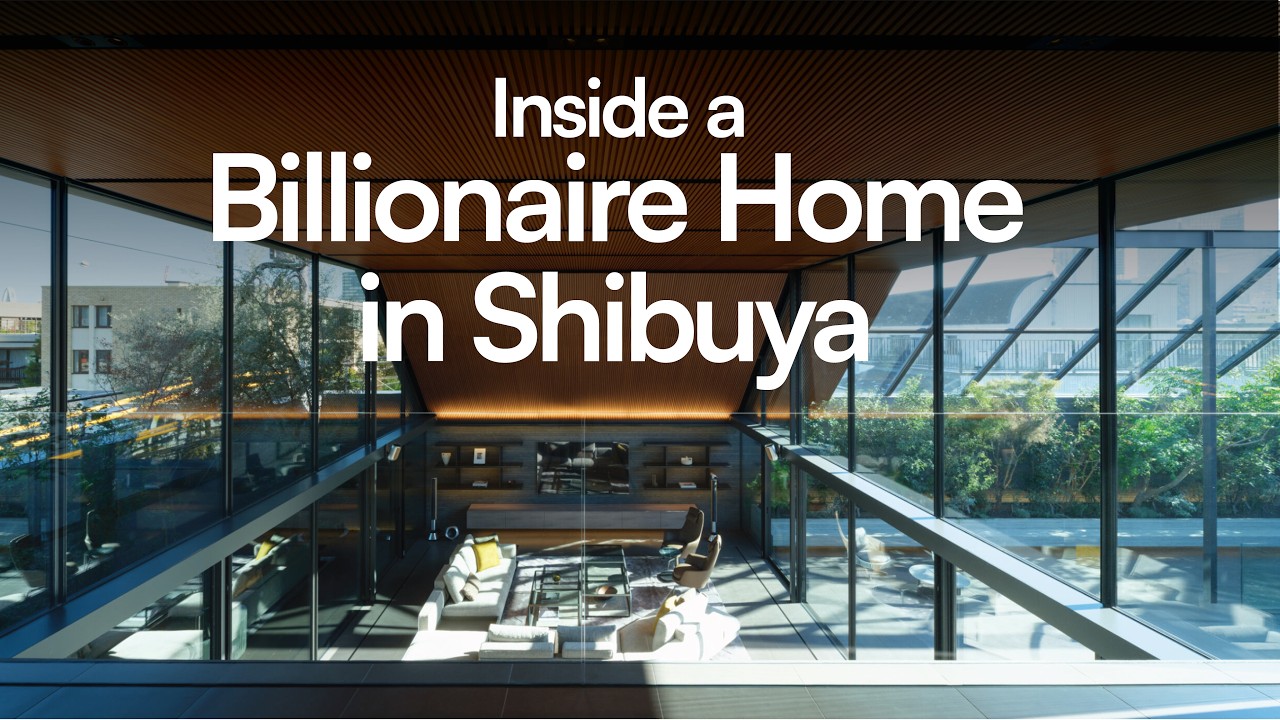
Watch the full tour on our YouTube channel.
Yoyogi Uehara and Tomigaya provide greenery, low density housing, and a community feel near Yoyogi Park.
This range allows residents to engage with city life while maintaining a calm home environment if the right neighborhood is chosen.
Who Should Choose Shibuya
Shibuya Ward suits younger professionals, couples, and creatives working in tech, fashion, media, and design.
It is also viable for families who select quieter residential pockets such as Yoyogi Uehara or Shoto.
Those who enjoy dining, nightlife, and cultural events often prefer Shibuya’s dynamic environment.
Shibuya may be less suitable for those who dislike crowds, require extensive English language administrative support, or seek large detached homes with gardens.
Housing Types
Housing in Shibuya consists primarily of apartments, both high rise and low rise.
Daikanyama and Ebisu feature modern mid rise luxury buildings and renovated older apartments on side streets.
Yoyogi Uehara and Tomigaya include more low rise apartments and some detached homes, often with rooftop terraces or small gardens.
Shoto and areas near Yoyogi Park contain some of Tokyo’s most expensive mansion style properties, including rare detached homes used by diplomats and executives.
Large tower style complexes are relatively rare due to land constraints, though some new high rise residences have been added near Shibuya Station.
Cost Tradeoffs
Shibuya Ward is among the most expensive wards in Tokyo, though pricing varies by sub area.
Prime neighborhoods such as Shoto and Daikanyama can match or exceed Minato rents due to limited supply and high demand.
Average rents are slightly lower than Minato overall, with a typical 2LDK averaging around ¥300,000 to ¥350,000 per month depending on location and building quality.
Parking is often scarce and expensive due to narrow streets and older infrastructure.
Shibuya can offer slightly better space to price ratios than Minato in certain neighborhoods, particularly outside the most famous pockets.
Daily Life
Living in Shibuya offers constant access to dining, cafes, boutiques, and entertainment.
Ebisu is renowned for its restaurant scene. Daikanyama offers boutique shopping and cultural spaces. Harajuku and Omotesando provide global fashion and retail.
Yoyogi Park and Meiji Shrine offer large green spaces for jogging, recreation, and seasonal events.
Transportation is excellent, with Shibuya Station serving as one of Tokyo’s largest transit hubs, though it can be complex for newcomers.
Community life in Shibuya is less formal than in Minato, with more organic interaction between expats and Japanese residents.
Who Shibuya Is Not For
Shibuya is not ideal for those seeking suburban calm, minimal crowds, or a heavily expat oriented environment.
It may also be inconvenient for those working primarily in eastern Tokyo or Yokohama due to commute distances.
Families requiring daily access to international school campuses may find logistics easier in Minato or Setagaya.
Shibuya Ward Bottom Line
Shibuya Ward offers one of the most engaging urban lifestyles in Tokyo.
For high income expats seeking central living with cultural depth, dining, and walkability, it represents a compelling alternative to Minato.
Success in Shibuya depends on choosing the right sub neighborhood to balance vibrancy and residential comfort.
Chiyoda Ward
Overview
Chiyoda Ward is the political, historical, and administrative center of Tokyo. It contains the Imperial Palace, the Prime Minister’s Office, the National Diet, and most major government ministries.
Much of the ward is non residential, occupied by offices, government facilities, and palace grounds. As a result, Chiyoda has the smallest residential population among Tokyo’s 23 wards, despite being one of the most prestigious.
Residential areas are limited but highly exclusive, concentrated mainly in Bancho, Kojimachi, Hanzomon, Ichigaya, and parts of Iidabashi.
Prestige and Centrality
Living in Chiyoda is primarily about prestige and location.
The Bancho area has historically been home to senior government officials, CEOs, and public figures. Addresses such as Ichibancho or Nibancho carry significant status in Japan.
These neighborhoods feature tree lined streets, embassies, elite private schools, and luxury condominiums with strict security.
Centrality is a major advantage. Residents working in Marunouchi or Otemachi can often walk or take a short taxi ride to work. Tokyo Station sits at the ward’s edge, providing unmatched national transport access.
Quiet Residential Environment
Chiyoda’s residential pockets are unusually quiet for central Tokyo.
Weekends in Bancho or near the Imperial Palace moat feel calm and low density, with minimal commercial activity and very limited tourism.
This appeals strongly to expats who value privacy, security, and a discreet lifestyle over nightlife or street activity.
Who Chiyoda Is Best For
Chiyoda suits senior executives, diplomats, and finance professionals who work nearby and prioritize prestige, security, and short commutes.
It is ideal for individuals or couples rather than families seeking vibrant community life or outdoor play spaces.
Many residences are held or leased through corporate contracts, particularly for senior management.
Housing Stock
Housing in Chiyoda consists almost entirely of high end apartments and condominiums.
Detached houses are extremely rare.
Properties range from low rise luxury buildings in Bancho to modern high rise condominiums near Ichigaya or Kojimachi, some offering direct views of the Imperial Palace greenery.
Units vary in size, with both large family sized apartments and high end one or two bedroom units for wealthy singles or couples.
Because residential supply is limited, availability is often low and competition is high.
Cost Reality
Chiyoda ranks alongside Minato as one of the most expensive wards in Tokyo.
Average rents for luxury units often match or exceed Minato due to scarcity.
A modern 2LDK apartment typically rents for ¥350,000 to ¥500,000 per month, with larger units priced significantly higher.
Deposits and key money follow standard Tokyo practices, though corporate leases may occasionally negotiate terms.
Parking is often available but limited.
Daily Life and Tradeoffs
Daily life in Chiyoda is defined by convenience for work but limited residential amenities.
Supermarkets and casual dining options are fewer than in Minato or Shibuya, and residents often shop or dine in adjacent wards.
Social life tends to be quieter and more formal. Chiyoda is not a nightlife destination.
Families should note the lack of international school campuses within the ward, making school commutes a consideration.
Chiyoda Ward Bottom Line
Chiyoda is a premium, low profile residential choice for a narrow segment of high income expats.
It offers unmatched centrality, security, and prestige, but limited housing supply and a subdued lifestyle.
For those who value privacy and proximity to power centers over neighborhood buzz, Chiyoda is a standout option.
Chuo Ward
Overview
Chuo Ward is Tokyo’s historical commercial center, encompassing Ginza, Nihonbashi, Tsukiji, Tsukishima, Kachidoki, and Harumi.
Positioned between Chiyoda and Tokyo Bay, Chuo blends traditional business districts with modern high rise residential developments.
It is often overlooked by Western expats but has a growing foreign resident population, particularly in newer bay area towers.
Tokyo Station and Nihonbashi Access
Northern Chuo Ward sits adjacent to Tokyo Station and Nihonbashi.
This proximity makes it ideal for finance professionals and corporate executives working in Marunouchi, Otemachi, or Kabutocho.
Many residents can walk to work or commute in under ten minutes via subway or underground passageways.
Tokyo Stock Exchange and major financial institutions are located within the ward.
The Tokyo City Air Terminal in Hakozaki provides direct airport bus access, adding convenience for frequent travelers.
High Rise Residential Living
Chuo Ward has seen significant high rise residential development over the past two decades.
Areas such as Kachidoki, Tsukishima, Harumi, and Tsukiji feature tall modern towers with panoramic views of Tokyo Bay or the Sumida River.
Many of these buildings offer larger floor plans than central Tokyo apartments and include amenities such as gyms, lounges, and concierge services.
Some towers are particularly expat friendly, with bilingual management and international resident communities.
Lifestyle and Tradeoffs
Chuo’s main advantage is practicality rather than atmosphere.
Business convenience and transport access are excellent, but neighborhood character is more limited.
Bay area developments often feel self contained, with fewer independent shops and limited street level vibrancy.
Ginza offers luxury shopping and dining but is not an everyday neighborhood environment.
Tsukiji retains some local character, though activity has declined since the wholesale market relocation.
English support exists but is less comprehensive than in Minato.
Cost and Value
Chuo Ward rents are high but generally lower than Minato and Shibuya.
A ¥350,000 budget often secures a significantly larger apartment in Chuo than in Minato.
Average rents for 2LDK units are around ¥270,000, with larger family units offering better space to price ratios.
Some newer developments reduce key money to attract tenants due to high inventory levels.
Who Chuo Is Best For
Chuo is well suited to finance professionals, corporate executives, and families prioritizing apartment size and commute efficiency over lifestyle vibrancy.
It is also attractive to those who value modern high rise living and proximity to Tokyo Station.
Chuo Ward Bottom Line
Chuo Ward delivers exceptional convenience and space efficiency.
It is ideal for work focused expats who want modern housing near Tokyo’s financial core, but less suited to those seeking a strong neighborhood atmosphere or expat social scene.
Meguro Ward
Overview
Meguro Ward sits just southwest of central Tokyo and offers a refined residential environment that balances proximity to major business hubs with a calmer pace of life.
It borders Shibuya, Minato, and Setagaya, making it highly accessible while maintaining a distinct neighborhood character.
Meguro is known for stylish residential streets, a strong local dining scene, and pockets with higher concentrations of foreign residents than most non central wards.
Key Neighborhoods
Nakameguro
Jiyugaoka
Meguro Station area
Nakameguro lies on the Meguro River and is famous for cherry blossoms, boutique cafes, and creative culture. Jiyugaoka offers a European inspired shopping street and relaxed residential feel.
Who Meguro Is Best For
Meguro appeals to creatives, couples, and families who want a polished residential atmosphere without the intensity of Minato or Shibuya.
It is popular with expats who want to integrate into local communities while still living near central Tokyo.
Housing Stock
Housing consists primarily of low to mid rise apartments, designer residences, and some detached houses on side streets.
Large expat compounds are rare, but overall housing quality is high.
Apartments are often slightly larger than those in Minato for the same price.
Commute and Access
Meguro offers strong rail connectivity via the Tokyu Toyoko Line, JR Yamanote Line, and Meguro Line.
Shibuya can be reached in under ten minutes from Nakameguro.
Cost Reality
Meguro rents are above average but lower than Minato and Shibuya.
It offers better value for space while remaining central.
Meguro Ward Bottom Line
Meguro provides a balanced lifestyle with character, accessibility, and livability.
It is ideal for expats seeking a refined home base without heavy commercial activity.
Setagaya Ward
Overview
Setagaya is Tokyo’s largest ward and is known for its residential character, parks, and family friendly environment.
It lies west of Shibuya and Meguro and offers a suburban atmosphere within the 23 wards.
Key Neighborhoods
Futako Tamagawa
Yoga
Seisen and St Mary’s school areas
These areas are popular with international families due to larger housing, greenery, and school access.
Who Setagaya Is Best For
Setagaya is ideal for expat families needing space, quiet streets, and proximity to international schools.
It suits those willing to trade commute time for lifestyle quality.
Housing Stock
Housing includes detached homes, townhouses, and spacious low rise apartments.
Many properties include parking and outdoor space.
Commute and Access
Setagaya is served by the Tokyu Den en toshi Line, Odakyu Line, and Setagaya Line.
Commutes to central Tokyo range from 30 to 50 minutes depending on location.
Cost Reality
Rents are moderate relative to central wards and offer excellent value for space.
Families often find significantly larger homes for the same budget as a small central apartment.
Setagaya Ward Bottom Line
Setagaya delivers space, greenery, and family oriented living.
It is the top choice for expats prioritizing home life over central proximity.
Shinagawa Ward
Overview
Shinagawa Ward is a major transport and corporate hub, centered around Shinagawa Station.
It offers direct access to the Shinkansen and airports, making it ideal for frequent travelers.
Key Neighborhoods
Takanawa
Gotanda
Osaki
Takanawa provides upscale residential living near the station, while Gotanda and Osaki offer redeveloped modern housing.
Who Shinagawa Is Best For
Shinagawa suits executives who travel frequently or work across Japan.
It appeals to those prioritizing transit efficiency over neighborhood character.
Housing Stock
Housing includes modern high rise towers, business oriented residences, and some detached homes further from the station.
Commute and Access
Shinagawa Station provides unparalleled access to national rail and air travel.
Haneda Airport is reachable in under 30 minutes.
Cost Reality
Rents are moderate to high but generally lower than Minato.
Space to price ratios are favorable compared to central wards.
Shinagawa Ward Bottom Line
Shinagawa offers unmatched transport convenience.
It is best for travel heavy professionals who value efficiency and connectivity.
Cost Reality and Rental Mechanics for High Income Expats
Relative Rent Levels by Ward
Rent levels vary significantly across Tokyo.
Minato consistently commands the highest rents, followed by Chiyoda and Shibuya.
Chuo, Meguro, and Shinagawa offer better value for space, while Setagaya provides the most space for budget.
Upfront Costs
Tokyo rentals typically require multiple months of upfront payments.
Standard costs include:
- Security deposit
- Key money
- Agent fee
- First month rent
For luxury properties, upfront costs can equal three to four months of rent.
Foreigner Friendly Rentals
Foreigner friendly generally means acceptance of overseas tenants, English capable management, and flexible documentation.
Minato has the highest concentration of such properties.
Common Mistakes to Avoid
- Choosing location before commute analysis
- Underestimating upfront costs
- Ignoring school logistics
- Assuming all luxury buildings are English friendly
Final Guidance
High income expats have more choice, but the importance of alignment remains.
The best neighborhood is the one that fits work, lifestyle, and non negotiables simultaneously.
Shortlisting two to three realistic areas before property viewing leads to better outcomes and less compromise.
Share article
Get In Touch
Let’s Connect! How Can We Assist?
E-Housing connects you with quality properties across Tokyo. Whether you’re renting, buying or selling, our experts are ready to help. Fill out the form below for a response within 24 hours.